

Toyota Electrified
Toyota Electrified
Your Guide to Battery Electric Vehicles (BEVs)
What is a Battery Electric Vehicle (BEV)?
A vehicle that runs entirely on electricity and produces zero emissions. It’s powered by a large battery that plugs into a household outlet or a public charging station to recharge.
How is it different from a Plug-in Hybrid Electric Vehicle (PHEV) and a Hybrid Electric Vehicle (HEV)?
A BEV runs only on electricity with no gas engine, a PHEV offers customers an EV range and automatically switches to gas for additional mileage, and a HEV mostly runs on gas but uses an electric battery to improve fuel efficiency.
How often should you charge a BEV?
We recommend plugging it in at the end of each day to start your day with an EV charge for your daily commute. Aiming to maintain a charge between 10% (low battery light) and 80% will optimize battery life.
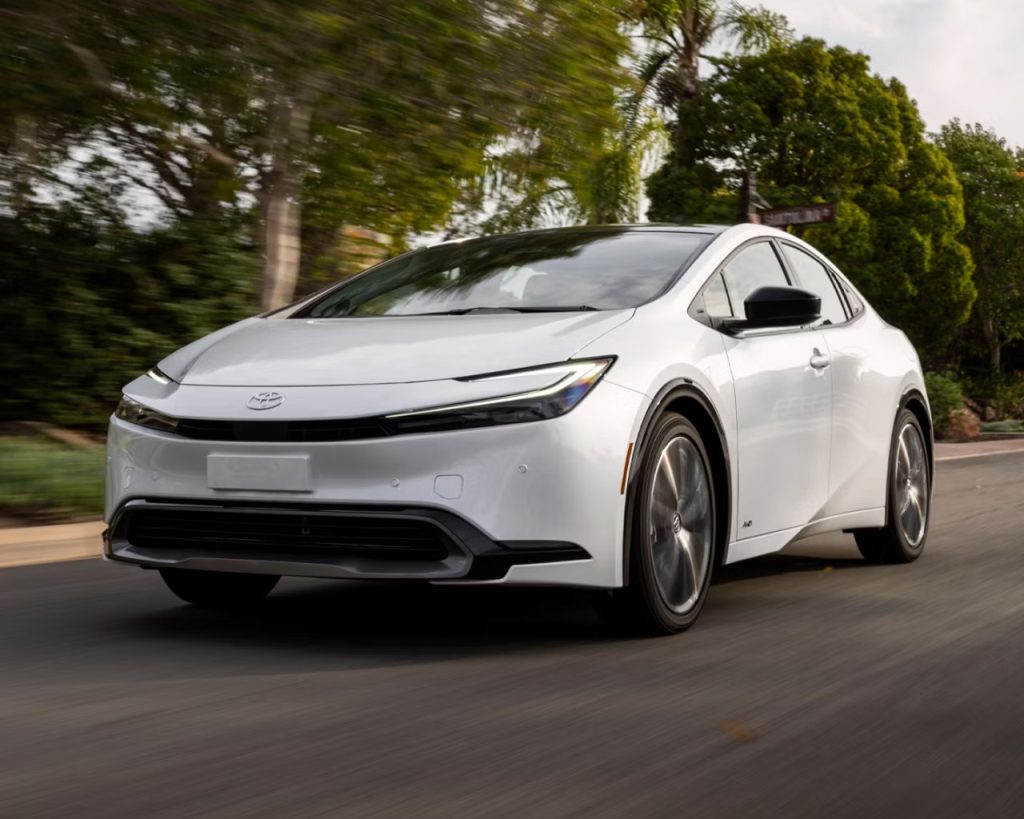
Power Up for Peak Performance
Charging a Battery Electric Vehicle (BEV) or Plug-in Hybrid Electric Vehicle (PHEV) is simple. Just plug it in. At home, at work, or at any public charging station. Electric Vehicle (EV) charging times will vary depending on whether you are using Level 1, 2 or 3 EV charging.

Charge Your Way: 3 Levels of Charging
Charging an electric vehicle has never been simpler or more convenient. And not only are there more places to charge an EV than ever before, but there are also more charging options as well. You can charge a Battery Electric Vehicle (BEV) or Plug-in Hybrid Electric Vehicle (PHEV) at home, at work, or at most public charging stations. How long it takes to charge an electric vehicle depends on the size of the battery and the speed or Level of charging point.

LEVEL 1: Standard
120-Volt Outlet
At Home charging: Level 1 charging is the simplest option, and it charges slowly. On the plus side, it uses power from standard wall outlets in homes. All Toyota BEVs from 2026 and beyond include a dual-voltage charging cable to facilitate Level 1 charging.
RECOMMENDED
LEVEL 2: Faster
240-Volt Outlet
At Home and Public Charging: Level 2 is like Level 1, but with twice the voltage and increased amperage. This means vehicles charge much faster. At home, this requires installing a Level 2 charger into higher voltage electrical outlets – like those that power large appliances like clothes dryers or ovens. In public, Level 2 is widely available at public stations.
LEVEL 3: Fastest
480-Volt DCFC
Public Charging: DCFC (Direct Current Fast Charging) provides even higher voltage in the form of DC power. Level 3 requires the use of specialized equipment and manufacturer-specific plugs, which are not available in residential homes. Charging time will vary widely depending on weather conditions and other factors.
TIP: Toyota BEVs include a charging cable. For faster charging at home, you may want to purchase and install a ChargePoint Level 2 Home Charger from your local Toyota Dealer.
The Benefits of going fully electric:
Toyota Reliability and Excellent Warranty
Toyota BEVS are in it for the long haul, thanks to legendary Toyota reliability. That’s why our BEVs are backed up with an 8 year/160,000 km warranty.
Plus, Toyota Roadside Assistance (TRA) is available 24/7, 365 days a year.
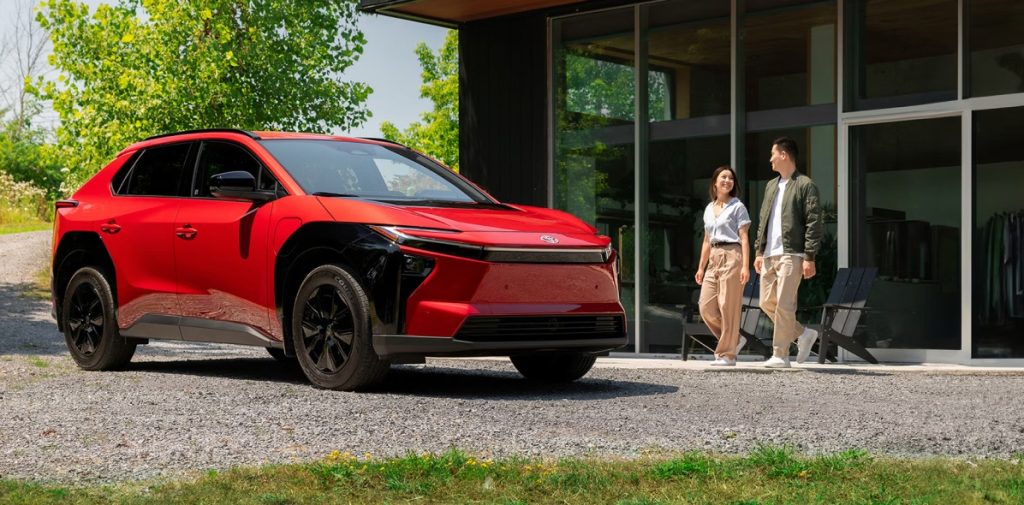

Environmental Commitment
You can feel good about buying from Toyota. We have a robust battery recycling program, and our goal is to be carbon neutral by 2050 as part of the Toyota Environmental Challenge 2050.
TAILPIPE EMISSIONS-FREE DRIVING
Reducing CO2 emissions by going fully electric is one way we can help lessen greenhouse gasses and lessen our impact on the environment.
QUICK RESPONSE TORQUE
Instant torque, smooth acceleration and quieter motors.
EASY TO MAINTAIN
Without a combustion engine or transmission, BEVs have fewer mechanical components. The regenerative braking in these vehicles reduces brake pad wear, further lowering service and maintenance costs.
CONNECTOR TYPES: Different Ways to Get Connected
There are a few different kinds of connectors to charge your EV.

SAE J1772 CONNECTOR
The SAE J1772 connector enables both level 1 and level 2 AC charging.

CCS1 CONNECTOR
The CCS1 connector enables Level 3 DC charging.

NACS CONNECTOR
The NACS connector enables AC and DC Level 1, 2 and 3 charging.
FUTURE ACCESS
The Future for EVs Looks Bright
BEVs and PHEVs are growing in popularity, as are the options for vehicles and locations to charge them. Toyota’s adoption of the NACS charger means more charging options than ever for drivers, and those options will continue to grow. In fact, access to NACS supercharger is expected to grow from 5000 locations to over 30,000 by 2030.
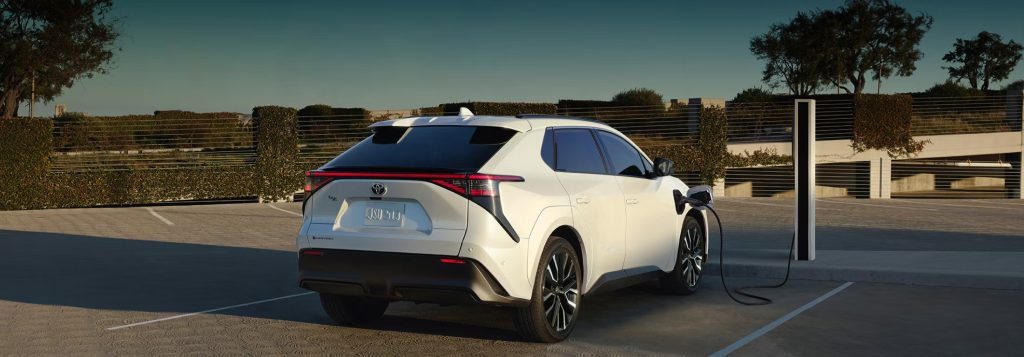
Choose the Right Hybrid for You
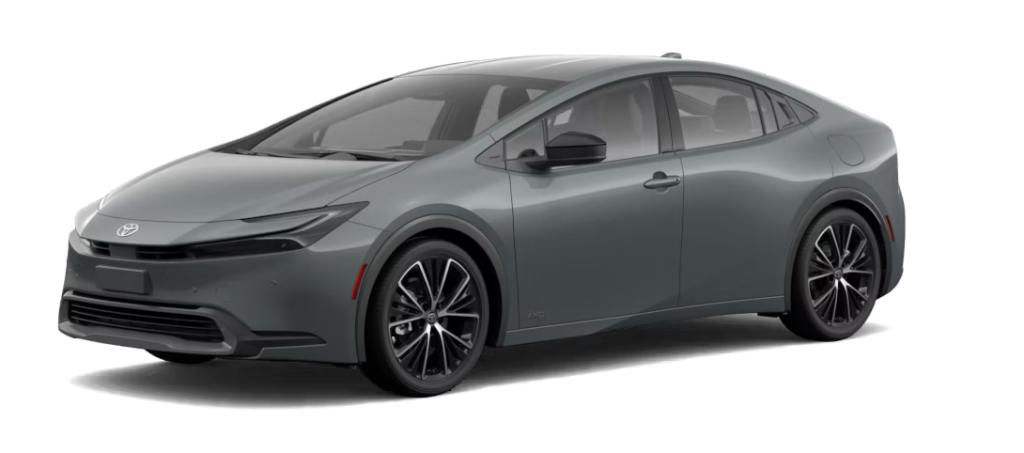
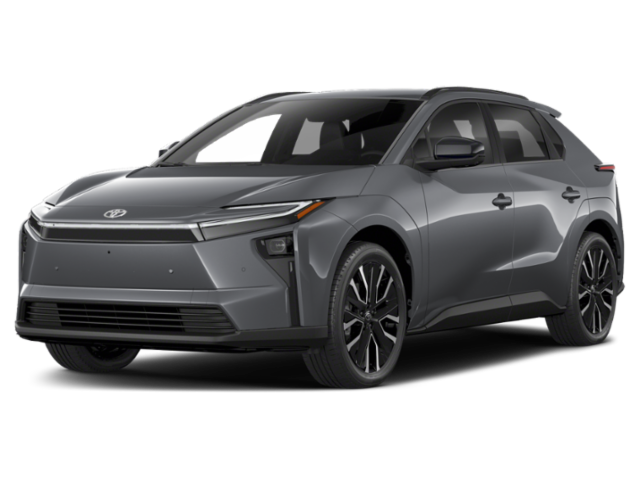
Toyota plug-in hybrid electric vehicles (PHEVs) operate much the same way as regular Toyota hybrid electric vehicles (HEVs). However, they can also be optionally plugged in – enabling you to extend your electric-only driving range. Prius Prime, RAV4 Prime and bZ are great examples of PHEV technology.

FAQS: Common Questions About Charging
Charging times for your EV will depend on many factors including the kind of vehicle you have, the temperature, and the kind of charger you are using. For example, a 2026 bZ connected to a Level 3 charger can go from 10 % (Low Battery Light) to 80% in as quickly as 28 minutes3.
With over 5000 public charging stations across Canada, getting a charge on the go should be no problem. Simply use the Toyota App plus your vehicle’s nav system to find the closest charger.
Like all Lithium-Ion batteries, there will be some reduction in capacity over the life of the battery. For peace of mind, Toyota EVs have an EV Component Warranty of 8 years/160,000 kms.
For longer trips, charging your vehicle fully, and then determining where charging stations along your route will allow you to recharge. Once you know that, plan your route, and timing, accordingly.
Try using chargers located at the end of the row, as they typically offer more space. If needed, carefully position your vehicle across two spaces, but never park horizontally or block access to other chargers. Do not use extension cables with DC fast chargers.